
Royal Heritage
A Royal Heritage in the Landscape
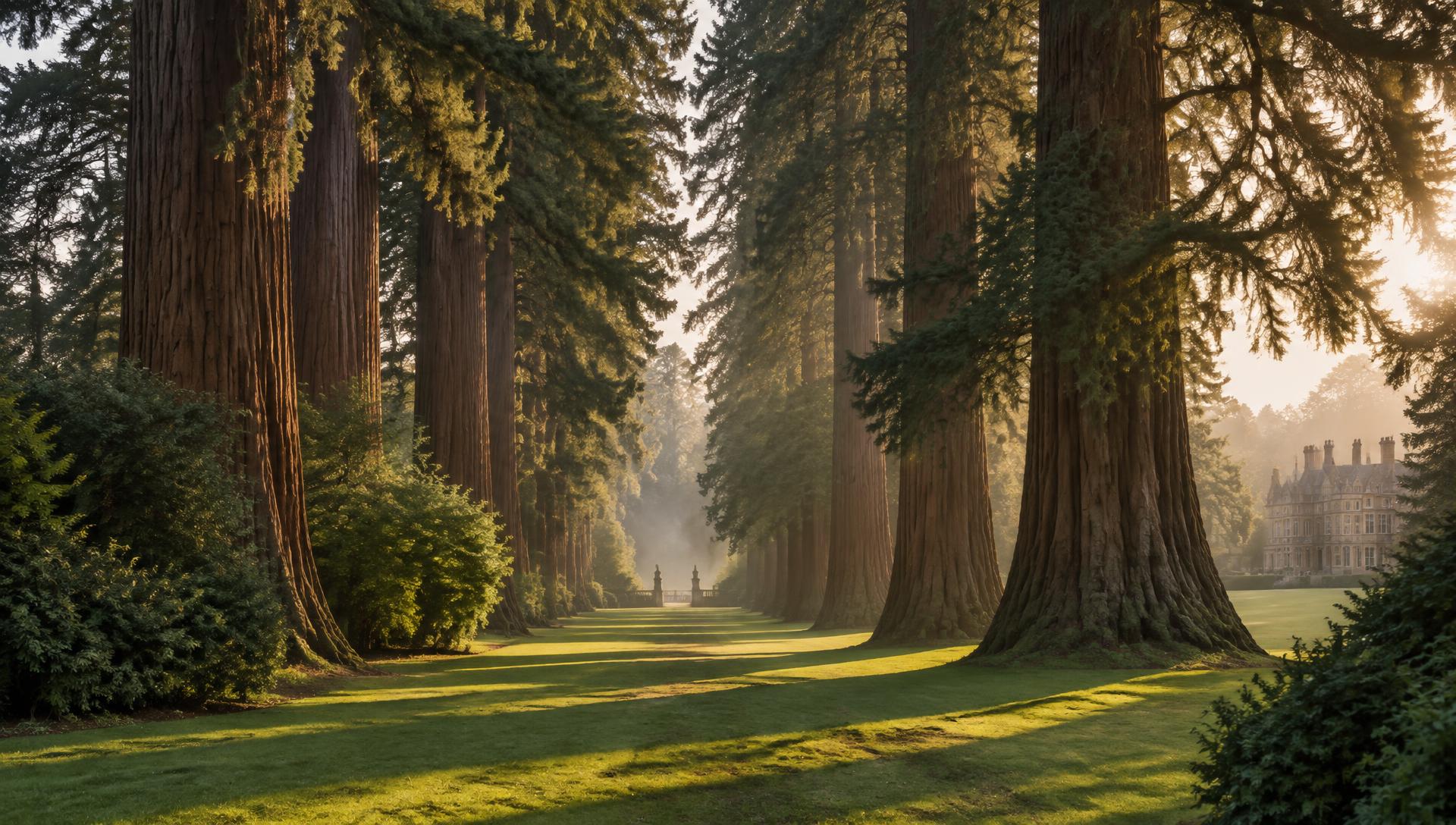
Brantingham Park stands within a landscape shaped by history, elevated by royal connection and remembered through the remarkable Royal Walk — a legacy that still defines the spirit of this place today.
The Royal Heritage of Brantingham Park
A Place of Rare Character
Set within a historic East Yorkshire landscape, Brantingham Park carries a story far older and richer than many would imagine.
Here, beauty, memory and history meet — in a place shaped by distinguished visitors, remarkable planting and a legacy that still influences the identity of the site. The parkland at Brantinghamthorpe is of particular historical significance for the Victorian formal gardens laid out for the visits of the Prince of Wales. Brantingham Park is not simply a venue; it is part of that story.
An Avenue of Wellingtonias
The Royal Walk
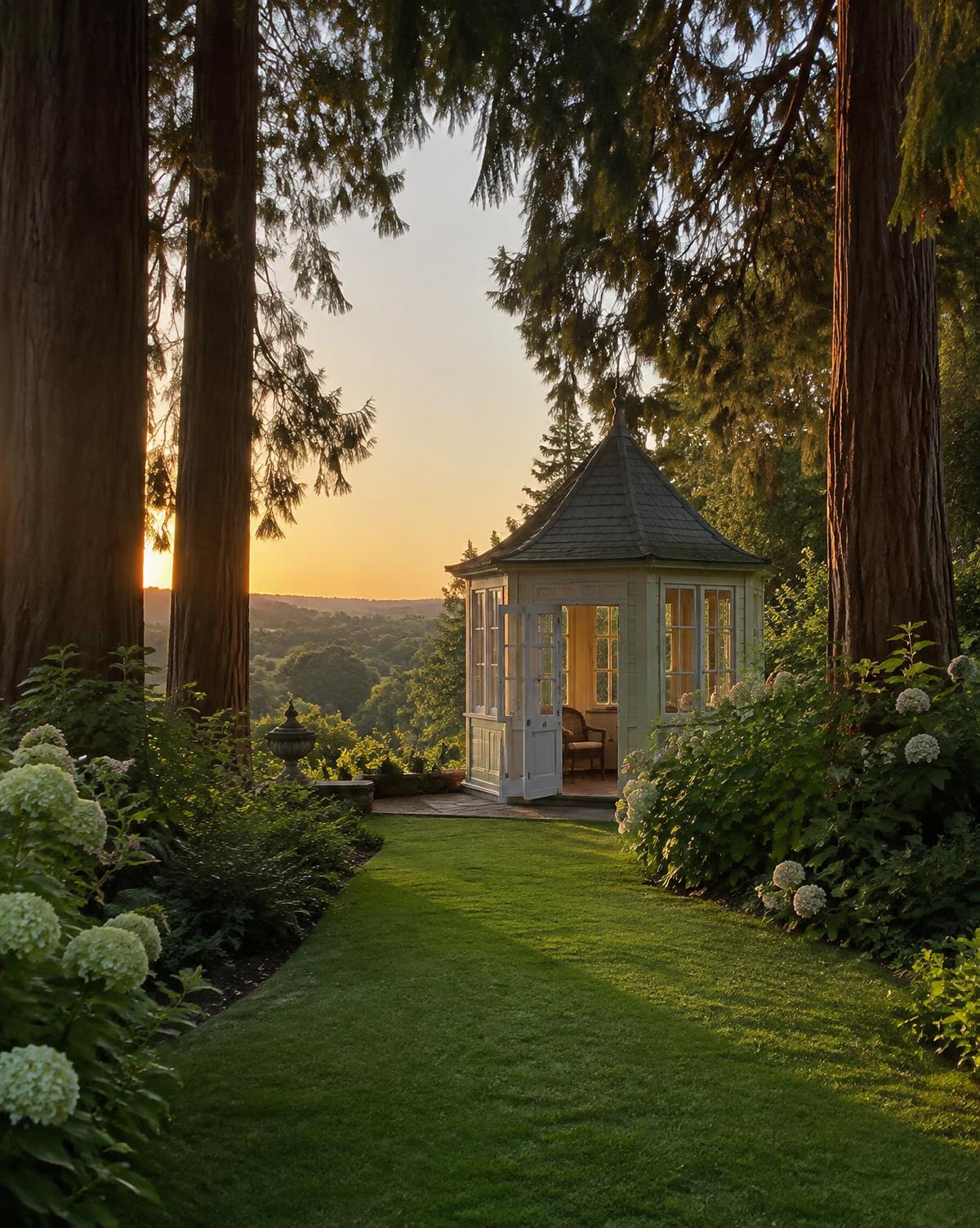
At the heart of the story is the Royal Walk — an avenue of Wellingtonias planted by the Prince and Princess of Wales and other members of the Royal Family. More than a simple path, it was a gesture of status, ceremony and beauty: created to mark royal presence, and to frame the estate in a way that was both grand and deeply picturesque.
Brantingham Park forms part of that Royal Walk, and so shares in its genuine royal connection.
The walk led towards a summer house charmingly named “Melovoid” — “beautiful view”.
A small detail, yet one that captures the spirit of the whole landscape: composed, graceful and designed to impress.
First Royal Visit
1869
Edward, Prince of Wales
later King Edward VII
The King
From Prince of Wales to King
The estate was purchased in 1867 on behalf of the Sykes family. Christopher Sykes went on to host a number of visits by Edward, Prince of Wales — later King Edward VII — the first of them in July 1869.
Those visits placed the Brantingham landscape within a circle of genuine royal association. In the later nineteenth century the grounds were transformed to receive such guests, leaving behind a heritage that continues to set Brantingham Park apart.
The Landscape in Its Glory
A Landscape Designed to Impress
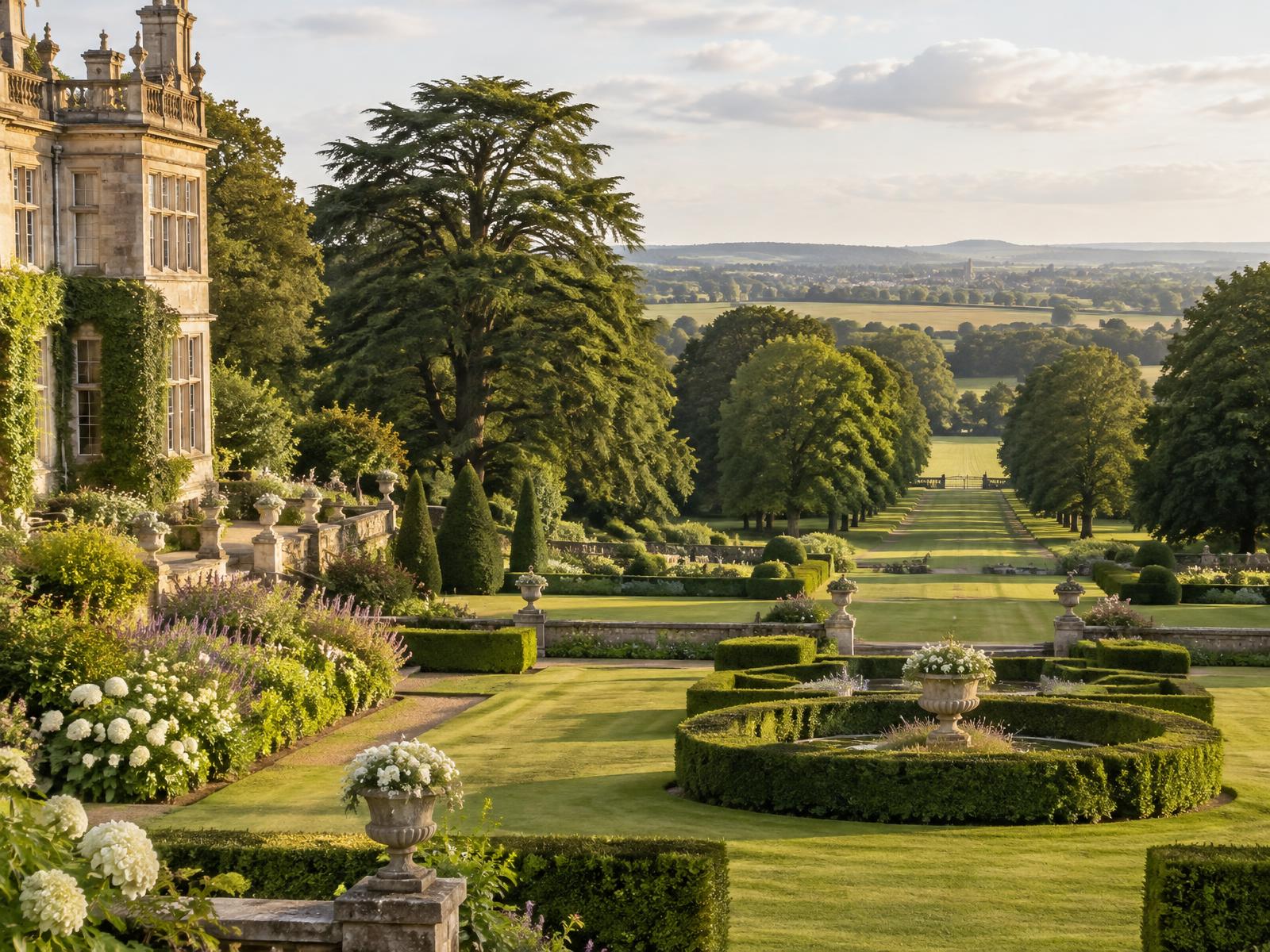
Imagine the grounds at their height: tree-lined walks drawing the eye into the distance, formal gardens laid out with Victorian care, and sweeping views across the green East Yorkshire countryside.
This was a setting composed to welcome distinguished guests — where nature and ceremony met, and every walk, every vista and every tree played its part in a quiet display of grace.
Our Emblem
The Story Behind the Brantingham Park Emblem
The Brantingham Park tree emblem was chosen to reflect more than landscape alone. It draws on the site’s connection to the Royal Walk and the remarkable trees that became part of its royal story.
It is both a visual identity and a quiet tribute — to place, to heritage, and to the enduring presence of the landscape itself.
Brantingham Park Today
Heritage That Still Shapes the Present
Today, Brantingham Park continues to bring people together — not as a relic of the past, but as a living venue shaped by it. Its heritage gives depth to every gathering, while its landscape and history lend a character that cannot be manufactured.
Weddings, celebrations, conferences and community occasions — a historic venue near Hull, still welcoming guests with a sense of distinction.
Visit Us
Discover Brantingham Park
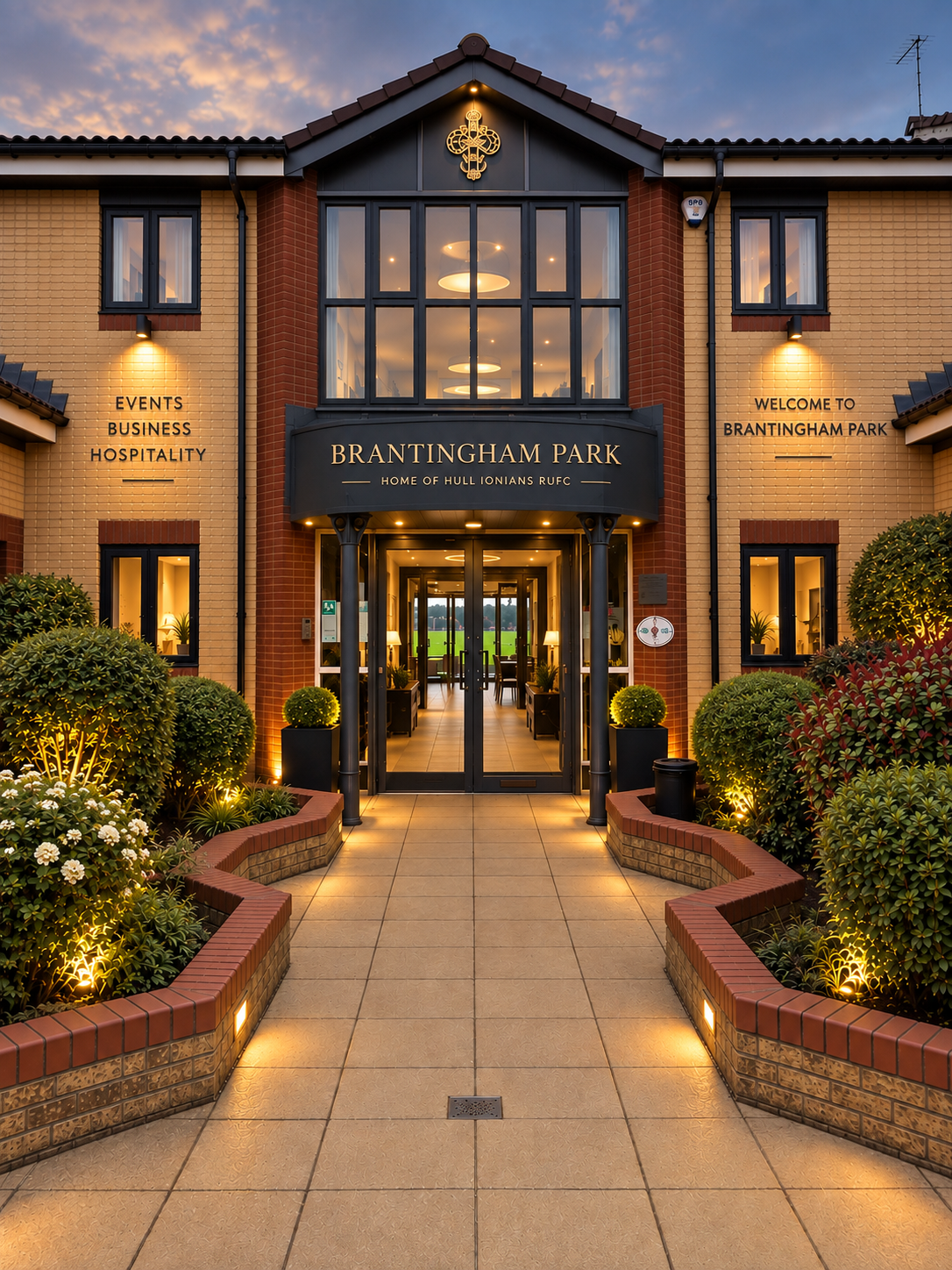
Whether you are visiting for an event, exploring the story of the site, or considering Brantingham Park for a gathering of your own, this is a place where history, landscape and hospitality come together.